
Stability in Motion

Move beyond understanding stability and start training it in real practice conditions. In three structured classes, you'll apply the Stability in Motion Method to build stable, controlled Chaturanga in real flow.
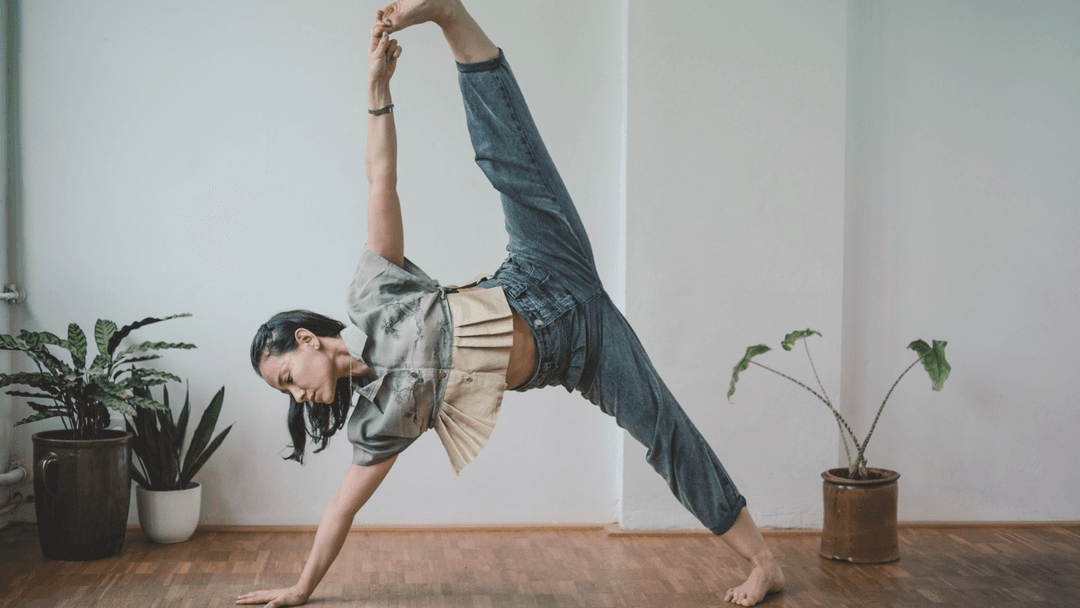

You understand the principles. Now it's time to put them into practice. The Stability in Motion Method is a three-class course designed to help you embody stable, confident Chaturanga through intelligent, progressive training. Each 20-minute practice approaches Chaturanga from a different angle: • Build a responsive core by refining your plank so Chaturanga feels lighter and more connected. • Improve shoulder stability using targeted activation and coordination drills before applying them directly to weight-bearing movement. • Integrate everything into smooth, controlled Chaturanga-to-Upward Dog transitions with carefully scaled progressions. Every class finishes with a guided strength sequence using progressive Chaturanga variations, so you're not just learning stability—you’re training it. By combining movement practice, intelligent scaling, and progressive loading, you'll develop a Chaturanga that feels stronger, steadier, and more reliable—and build a foundation you can carry into every weight-bearing practice.

Course Content
Frequently Asked Questions
- Is this suitable if I struggle with Chaturanga?
- Yes — this course is specifically designed for practitioners who feel inconsistent, unstable, or like they “collapse” in Chaturanga. We work with scalable variations so you can build control at your current level.
- Is this safe for wrists and shoulders?
- Yes — the method prioritizes load scaling and shoulder organization so you can build stability without forcing or overloading joints.
- How is this different from just doing more push-ups or strength training?
- This isn’t generic strength training — it’s movement-specific stability training. We focus on how load is organized through the shoulders, core, and nervous system during yoga transitions.
- How quickly will I see improvement?
- Many practitioners notice improved control and awareness within a few practices, but lasting stability comes from repetition and progressive loading.
- Do I need props?
- Two blocks and a wall will be helpful for scaling and feedback, but modifications are provided throughout. We also get creative with what is in the house.